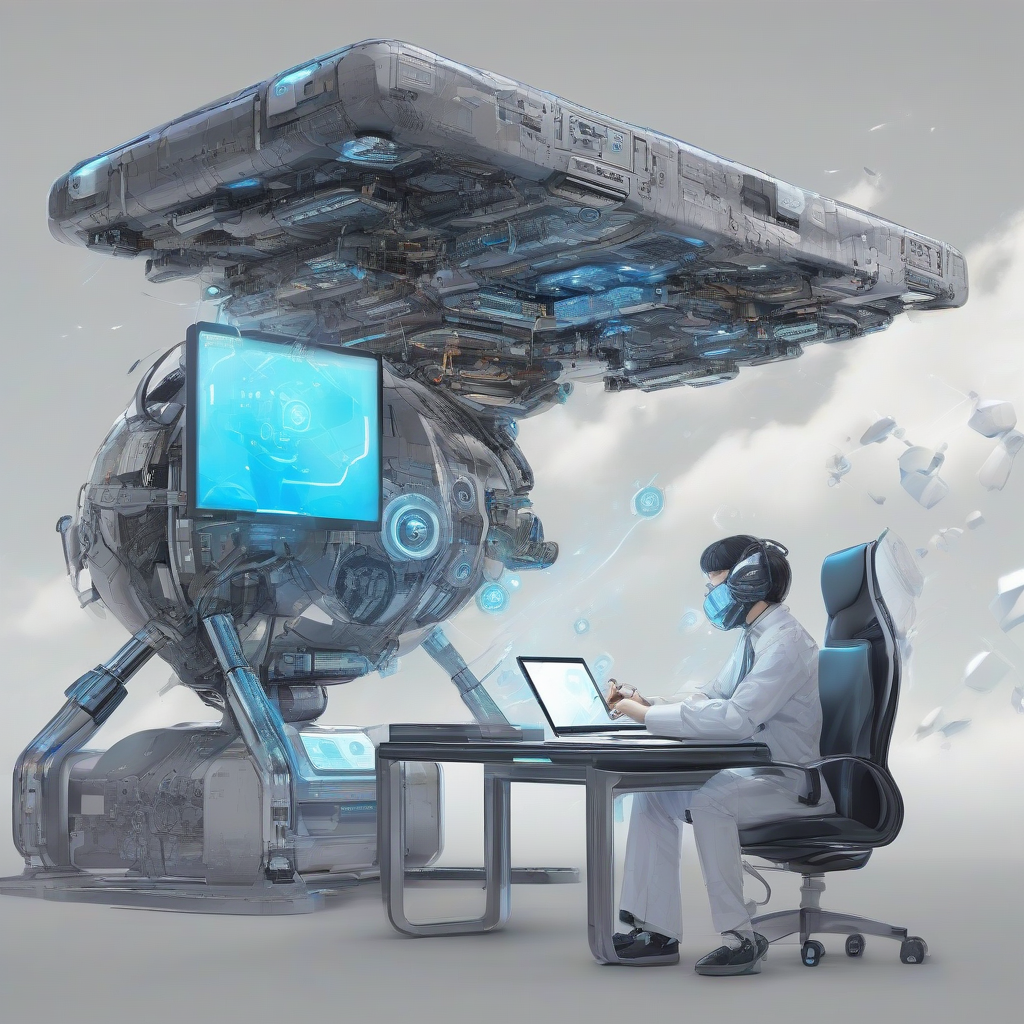

2025: The year to become Quantum-Ready
The Quantum Revolution is Here: Why 2025 is the Year to Get Ready
The world of technology is on the cusp of a revolution, one that promises to transform the way we live, work, and interact with one another. At the heart of this revolution is quantum computing, a field that has been gaining momentum in recent years. As we look toward the next 12 months, the pace of quantum research and development is only going to accelerate, making this a critical and catalyzing time for business leaders to act.
What is Quantum Computing?
Before we dive into the implications of quantum computing, let's take a step back and understand what it is. Quantum computing is a type of computing that uses the principles of quantum mechanics to perform calculations. Unlike classical computers, which use bits to store and process information, quantum computers use quantum bits or qubits. Qubits are unique because they can exist in multiple states simultaneously, allowing quantum computers to process vast amounts of information in parallel.
The Power of Quantum Computing
The power of quantum computing lies in its ability to solve complex problems that are currently unsolvable or require an unfeasible amount of time to solve using classical computers. Quantum computers can be used to simulate complex systems, optimize complex processes, and break certain types of encryption. This has significant implications for fields such as chemistry, materials science, and cryptography.
Real-World Applications of Quantum Computing
So, what does this mean in practical terms? Here are a few examples of how quantum computing is being used in real-world applications:
- Materials Science: Quantum computers can be used to simulate the behavior of materials at the atomic level, allowing researchers to design new materials with specific properties.
- Cryptography: Quantum computers can be used to break certain types of encryption, but they can also be used to create unbreakable encryption methods.
- Optimization: Quantum computers can be used to optimize complex processes, such as supply chain management and logistics.
- Healthcare: Quantum computers can be used to simulate the behavior of complex biological systems, allowing researchers to develop new treatments and therapies.
Why 2025 is the Year to Get Ready
So, why is 2025 such a critical year for business leaders to get ready for quantum computing? Here are a few reasons:
- Increased Adoption: As the technology becomes more mature, we can expect to see increased adoption of quantum computing in various industries.
- New Business Models: Quantum computing will enable new business models and revenue streams, such as quantum-based services and products.
- Talent Acquisition: As the demand for quantum computing talent increases, businesses will need to attract and retain top talent to stay ahead of the competition.
- Investment: Businesses will need to invest in quantum computing infrastructure, including hardware, software, and training.
Conclusion
The quantum revolution is here, and 2025 is the year to get ready. As business leaders, it's essential to understand the implications of quantum computing and start preparing for the changes that are coming. Whether you're a seasoned executive or a young professional, now is the time to start learning about quantum computing and its applications. With the right mindset and preparation, you'll be well-positioned to take advantage of the opportunities that quantum computing will bring.
Forward-Looking Thoughts
As we look to the future, it's clear that quantum computing will continue to transform the world of technology and beyond. Some of the most exciting developments on the horizon include:
- Quantum-Classical Hybrids: The integration of quantum and classical computing will enable new applications and use cases.
- Quantum Simulation: Quantum computers will be used to simulate complex systems, leading to breakthroughs in fields such as chemistry and materials science.
- Quantum Cryptography: Quantum computers will be used to create unbreakable encryption methods, ensuring the security of sensitive information.
The future of quantum computing is bright, and it's an exciting time to be a part of it. Whether you're a business leader, a researcher, or a student, there's never been a better time to get involved in the quantum revolution.
Source: https://azure.microsoft.com/en-us/blog/quantum/2025/01/14/2025-the-year-to-become-quantum-ready/