
NASA Announces Winners of 2026 University Innovation Competition
NASA's University Innovation Competition: Empowering the Next Generation of Aerospace Engineers
The Massachusetts Institute of Technology (MIT) team took the top spot in the 2026 Revolutionary Aerospace Systems Concepts – Academic Linkage (RASC-AL) competition, a prestigious award that recognizes innovative solutions in aerospace technology. The winning project, Exploration-Class Lunar Integrated Power SystEm (ECLIPSE), impressed judges with its technical rigor, innovation, and mission alignment. This achievement highlights the importance of academic innovation in supporting NASA's Artemis mission goals and demonstrates the critical role that student research plays in shaping future space exploration.
The RASC-AL Competition: A Platform for Innovation
The RASC-AL competition is a cross-agency collaboration between NASA and the National Institute of Aerospace, managed by the NASA Tournament Lab. The program challenges university teams to develop innovative system concepts and prototypes that address gaps in aerospace technology. This year's competition drew 14 finalists, who presented their mission architectures, technology solutions, and supporting analysis at the multi-day RASC-AL Forum in Cocoa Beach, Florida.
Empowering the Next Generation of Aerospace Engineers
The RASC-AL competition not only recognizes innovative solutions but also provides university teams with hands-on experience in mission architecture development, systems engineering, and technical communication. This exposure to real-world engineering challenges and feedback from industry experts helps students develop the skills and expertise needed to succeed in the aerospace industry.
The Winning Projects: A Showcase of Innovation and Technical Rigor
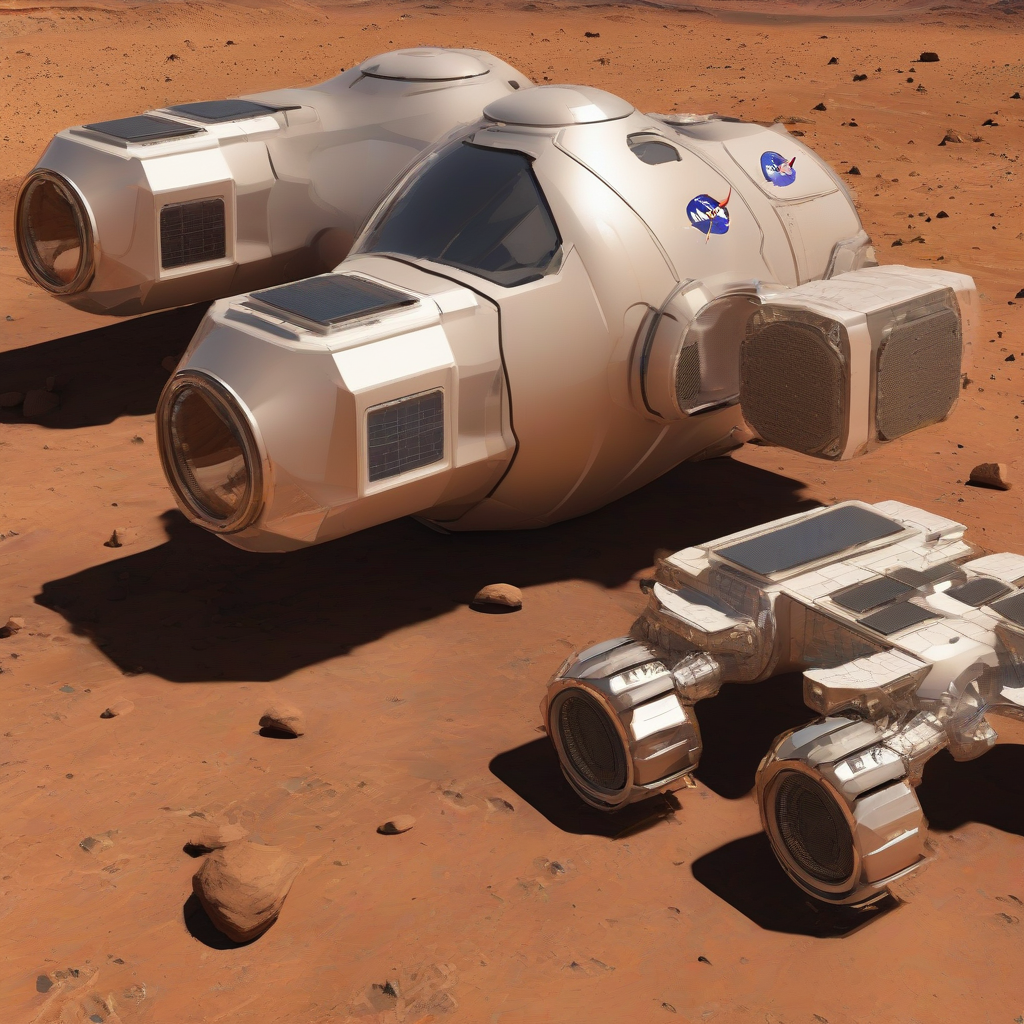
The top three teams, all from MIT, impressed judges with their innovative solutions and technical rigor. The winning project, ECLIPSE, demonstrated a comprehensive understanding of lunar power systems and presented a robust and efficient solution for powering lunar missions. The second-place team's project, Mars Exploration Layered Infrastructure for Operations, Research, and Advancement (MELIORA), showcased a sophisticated approach to designing a layered infrastructure for Mars exploration. The third-place team's project, Mars Pylon Network, presented a novel solution for establishing a communication network on Mars.
Other Notable Winners
In addition to the top three teams, several other teams received notable awards for their innovative solutions. The Best in Communications, Position, Navigation, and Time Architectures for Mars Surface Operations Theme award went to the MIT team for their MELIORA project. The Best in Lunar Sample Return Concept Theme award was given to the South Dakota State University team for their Sample Extraction of Lunar Elements for Network Entry (SELENE) project. The Best in Lunar Surface Power and Power Management and Distribution Architectures Theme award was awarded to the MIT team for their ECLIPSE project.
The Importance of Academic Innovation in Supporting NASA's Artemis Mission Goals
The RASC-AL competition highlights the critical role that academic innovation plays in supporting NASA's Artemis mission goals. The winning projects demonstrate a deep understanding of the technical challenges associated with lunar and Mars exploration and present innovative solutions that address these challenges. By empowering the next generation of aerospace engineers, the RASC-AL competition helps ensure that the necessary expertise and talent are available to support NASA's mission goals.
Forward-Looking Thoughts and Implications
The RASC-AL competition demonstrates the importance of academic innovation in supporting NASA's mission goals and highlights the critical role that student research plays in shaping future space exploration. As the aerospace industry continues to evolve and face new challenges, it is essential that we continue to invest in the development of the next generation of aerospace engineers. By doing so, we can ensure that the necessary expertise and talent are available to support the mission goals of NASA and other space agencies.
Conclusion
The RASC-AL competition is a testament to the power of academic innovation in supporting NASA's mission goals. The winning projects demonstrate a deep understanding of the technical challenges associated with lunar and Mars exploration and present innovative solutions that address these challenges. By empowering the next generation of aerospace engineers, the RASC-AL competition helps ensure that the necessary expertise and talent are available to support NASA's mission goals. As we look to the future, it is essential that we continue to invest in the development of the next generation of aerospace engineers and support the academic innovation that drives progress in the aerospace industry.