Robots Could Turn E-Waste Into a Source of Legacy Chips
The Dark Side of Tech: How Robots Could Turn E-Waste into a Source of Legacy Chips
Electronic waste, or e-waste, is a growing concern worldwide. The world is projected to generate 82 million tonnes of e-waste annually by 2030, according to the United Nations' most recent Global E-Waste Monitor report in 2024. This staggering amount of waste is a result of the rapid obsolescence of electronic devices, which are often discarded after a short period of use. However, this waste is not just a problem for the environment; it also represents a significant loss of valuable materials and resources.
The Value of E-Waste
E-waste contains a mixture of components such as memory chips, processors, magnets, and capacitors, as well as valuable raw materials like copper, aluminum, tantalum, and precious metals. Conventional recycling often mixes everything into bulk streams and destroys components that might otherwise be reused. This is where Tuurny, a startup based in San Francisco, comes in. Tuurny is developing an automated system to remove and separate reusable chips from circuit boards before the remaining material is shredded.
Robots for Automated RAM Recovery
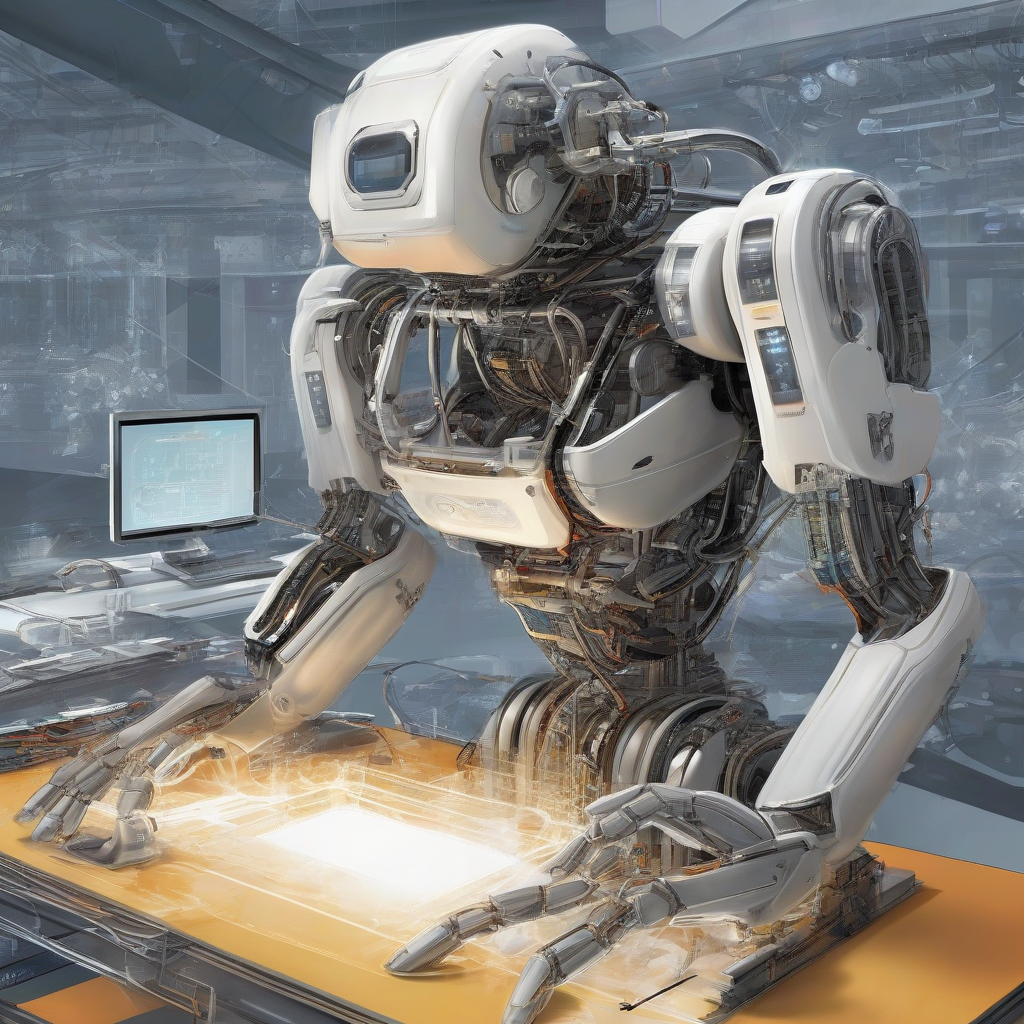
Tuurny's system, called Nantul, comprises three robotic systems in one. The first is an arm to continuously feed the component-removal robots, paired with two tabletop machines similar to 3D printers or computer numerical control (CNC) machines. A neural network identifies and catalogs components, then searches the internet for manufacturers' thermal-profile specifications. Nantul uses those specifications to employ a combination of suction, controlled heat, computer vision, and robotic controls to remove chips while minimizing damage.
The Challenge of E-Waste Recycling
Minghui Zheng, an associate professor of mechanical engineering at Texas A&M University, says Tuurny's approach appears technically feasible, especially when focused on the narrow, valuable target of recovering RAM from more controlled e-waste streams. However, the harder challenge is removing chips "without heat, mechanical, or electrical damage, and making sure it still works reliably afterward." Used circuit boards can vary by layout, markings, age, contamination, solder condition, or prior damage. A robot has to identify the correct component, choose a removal strategy, apply heat locally, lift the part cleanly, and preserve enough information about the part for downstream testing and resale.
The Future of E-Waste Recycling
Tuurny's recovery system includes a computer vision system that identifies specific RAM components to assess them for recovery. The company is building small modular machines using off-the-shelf parts, custom controls, and Nvidia Jetson Nano hardware. The biggest challenge from an engineering perspective has been developing the autonomous computer vision and robotic control. Last year, the four-person startup received a NASA-funded grant to support an AI-powered repair assistant for printed circuit boards that used computer vision and a custom large language model (LLM) to guide technicians.
Implications and Applications
The implications of Tuurny's technology are significant. If successful, it could provide a new source of legacy chips for systems in telecom, aerospace, defense, and other industries where equipment remains in service long after chips leave mainstream production. This could help reduce the environmental impact of e-waste and provide a more sustainable source of materials for the electronics industry. Additionally, Tuurny's technology could also help address supply chain concerns around critical minerals and rare earths.
Forward-Looking Thoughts
While Tuurny's technology is promising, it is still in its early stages. The company will need to scale up its operations and demonstrate the feasibility of its technology at commercial volumes. However, if successful, it could provide a new solution to the growing problem of e-waste and help reduce the environmental impact of the electronics industry. As the world continues to generate more and more e-waste, it is essential to develop new technologies and strategies to address this issue. Tuurny's technology is a step in the right direction, and it will be exciting to see how it develops in the future.
Source: https://spectrum.ieee.org/e-waste-recycling-robots-ram