Tech Is Taking Over Olympic Curling
The Rise of AI in Curling: A Revolution on the Ice
As the Winter Olympics in Italy draw to a close, the world of curling is abuzz with the introduction of AI-powered robots that can throw stones, read the ice, and calculate strategy with machine precision. The controversy surrounding a disputed double-touch at this year's games may have sparked heated debate about sportsmanship, but the real question on everyone's mind is: what happens when the controversy isn't about a fingertip, but an algorithm?
The Dawn of AI-Powered Curling Robots
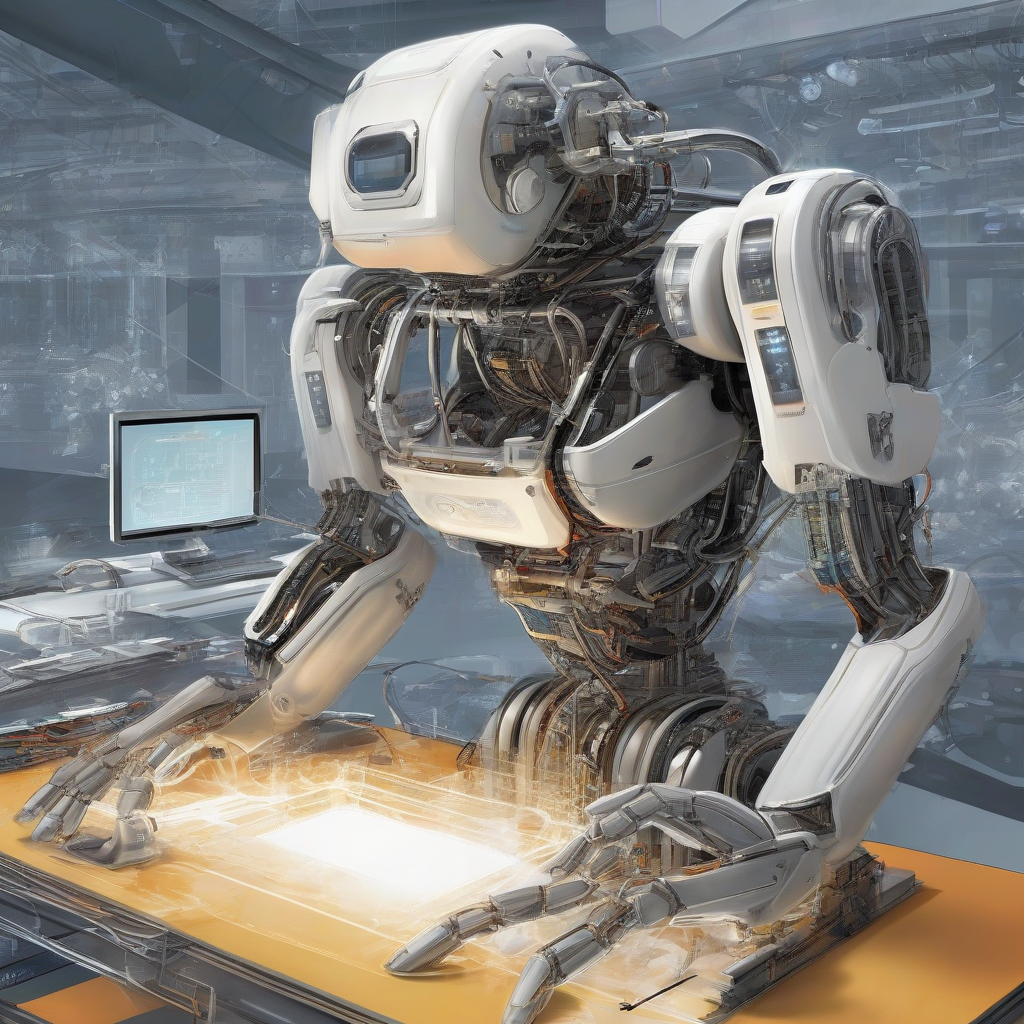
The Curly robot, first unveiled in 2018, marked the beginning of a new era in curling technology. This AI-powered device, designed by engineers at Korea University in Seoul, consists of two coordinated units: a "skip" and a "thrower." The skip unit reads the ice and delivers stones, while the thrower unit learns from its own misses and updates its aim based on the distance gaps between intended and actual stone positions.
Human-Level Performance Under Real-World Conditions
The Curly robot's capacity was put to the test in a series of mini-games against top-ranked Korean athletes. As reported in the journal Science Robotics, Curly started slow, dropping the opening match as it calibrated to the live ice. But it then went on to win the next three contests, demonstrating human-level performance under real-world conditions.
The Hexapod Robot: A New Spin on Curling Robot Tech
The next Winter Olympics brought a more agile machine: a "hexapod" curling robot built to walk, align, and throw like a human curler. With six legs, the hexapod robot can act more like a human curler when launching the stone, putting a new spin on curling robot tech. Equipped with LiDAR and cameras, the robot scans the sheet to map stone positions and feeds those data into software that calculates collision paths and solves for the precise release parameters needed to execute a chosen strategy.
The Limitations of AI in Curling
While AI-powered robots have made significant strides in curling, there are still limitations to their capabilities. No robot can sweep – at least not yet. The absence of a Roomba-like machine flanking the stone, frantically brushing to extend its travel or hold its line, leaves a huge chunk of potential that humans are bringing to the game.
The Future of Curling: A Balance Between Technology and Human Touch
The technology push in curling is not confined to Olympic play. At the Paralympics next month, the Canadian national wheelchair curling squad will be coming primed with training sessions inside a full virtual replica of the Cortina Curling Olympic Stadium, courtesy of a VR system developed by mechanical engineer Jennifer Dornstauder and her students at Red Deer Polytechnic in Alberta.
The Impact of VR on Wheelchair Curling
The VR system developed by Dornstauder and her students has the potential to expand access to wheelchair curling for people with disabilities who face mobility challenges or limited ice availability. "VR is just this amazing tool that is almost designed for getting around these barriers," she says.
The Road Ahead: A Future of Hybrid Human-AI Curling
As money continues to flow into high-performance curling, the possibilities of AI-powered robots drawing closer to the button. While the stones still leave human hands – hands capable of brilliance, instinct, and the occasional double-touch – the algorithms are edging closer to the button. The future of curling will likely be a balance between technology and human touch, with AI-powered robots augmenting human capabilities rather than replacing them.
Conclusion
The rise of AI in curling is a revolution that is changing the sport in profound ways. From AI-powered robots that can throw stones to VR systems that allow athletes to train in immersive environments, the technology is pushing the boundaries of what is possible on the ice. As the world of curling continues to evolve, one thing is clear: the future of the sport will be shaped by the intersection of human ingenuity and technological innovation.