The Future of Physical AI Isn’t Smarter Robots, It’s Smarter Interfaces
The Human Factor in Physical AI: A Shift in Paradigm
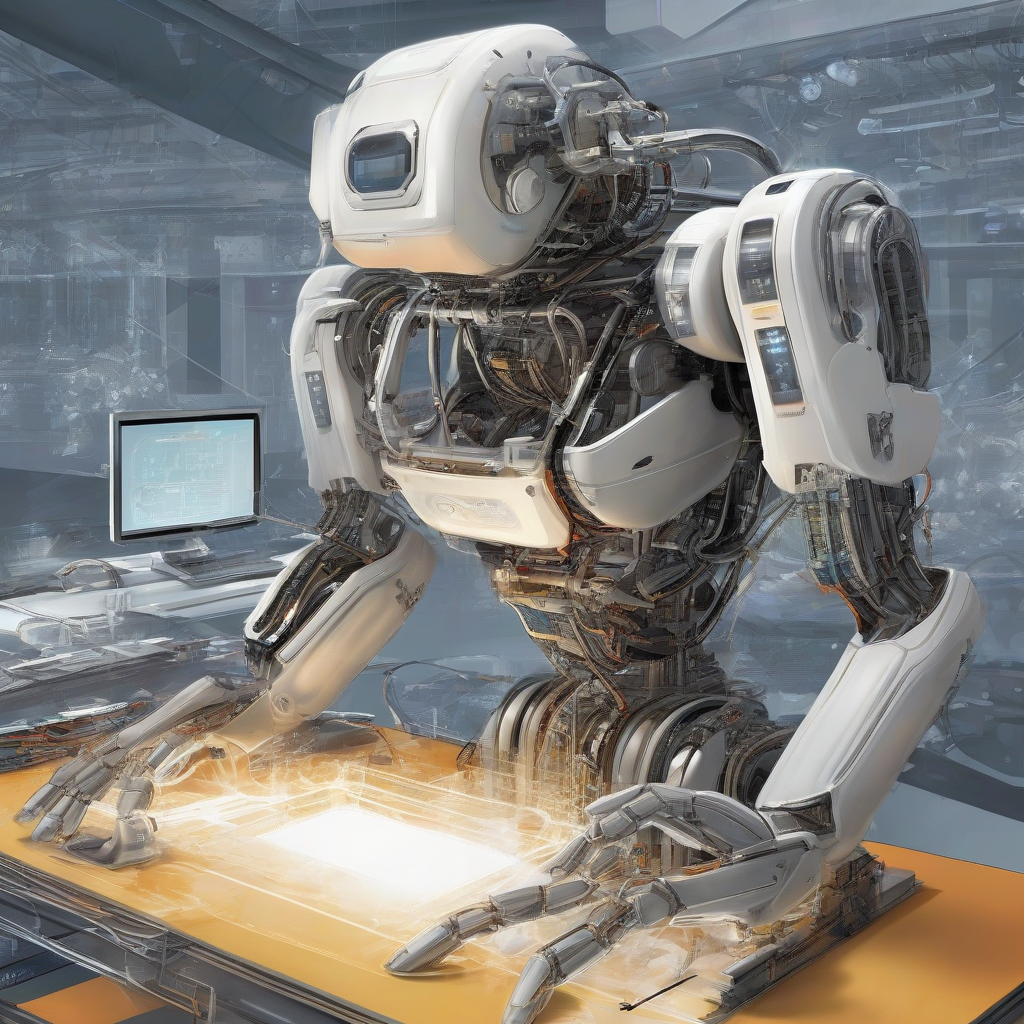
As we continue to push the boundaries of Artificial Intelligence (AI), a new frontier is emerging: Physical AI. This field combines the power of AI with the physical world, enabling robots and machines to interact with and adapt to their environments in unprecedented ways. However, the conventional wisdom is that the future of Physical AI lies in creating smarter robots. But what if this assumption is wrong? What if the true potential of Physical AI lies not in the robot itself, but in the interface between the human and the machine?
The Problem with Smarter Robots
For decades, robotics has been focused on creating more capable and autonomous machines. We've seen robots that can perform complex tasks, learn from experience, and even exhibit a degree of creativity. However, despite these advances, robots still struggle to interact with humans in a seamless and intuitive way. The gap between human and machine remains a significant challenge, and it's one that Wetour Robotics is determined to bridge.
The Power of Neural Signals
Wetour Robotics is a company that's pushing the boundaries of Physical AI by making the human a first-class node in the computing network. They're doing this by harnessing the power of neural signals, which are the electrical impulses that flow through our brains and nervous systems. By decoding and interpreting these signals, Wetour Robotics is creating a new kind of interface that allows humans to control machines with unprecedented precision and ease.
How it Works
The technology behind Wetour Robotics is based on a combination of brain-computer interfaces (BCIs) and machine learning algorithms. BCIs are devices that can read neural signals from the brain and translate them into digital commands. Wetour Robotics has developed a proprietary BCI system that can detect and interpret neural signals with high accuracy, even in real-time.
The machine learning algorithms used by Wetour Robotics are designed to learn from the neural signals and adapt to the user's behavior over time. This allows the system to become increasingly sophisticated and intuitive, enabling users to control machines with a mere thought.
Practical Applications
So what does this technology mean in practical terms? For one, it opens up new possibilities for people with disabilities. Imagine being able to control a prosthetic limb or a wheelchair with just a thought. This technology has the potential to revolutionize the lives of millions of people around the world.
Real-World Examples
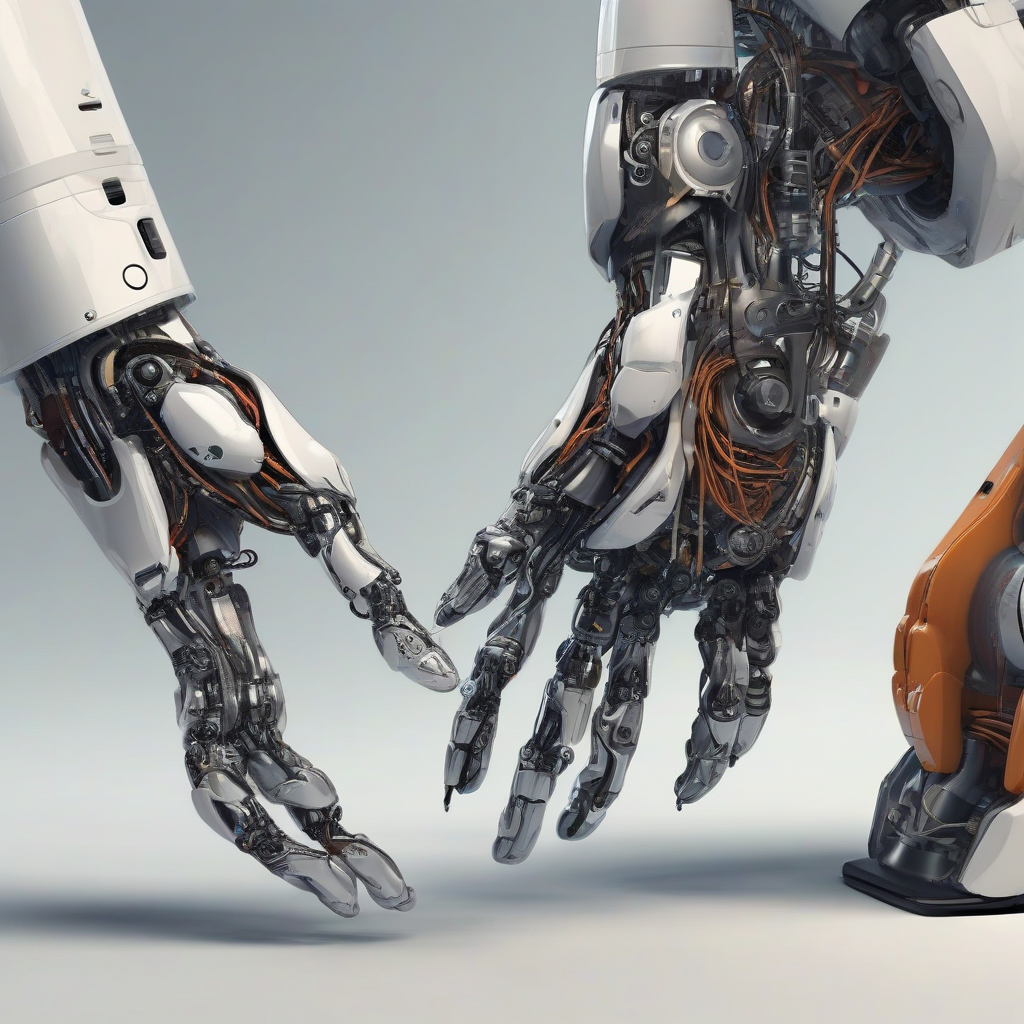
Wetour Robotics has already demonstrated the potential of their technology in a number of real-world applications. For example, they've developed a system that allows people to control a robotic arm with their thoughts. This system has been used in a number of medical applications, including surgery and rehabilitation.
The Future of Physical AI
As we look to the future of Physical AI, it's clear that the next architectural leap will not be about making the robot more capable. It will be about making the human a first-class node in the computing network. By harnessing the power of neural signals and machine learning algorithms, we can create a new kind of interface that allows humans to interact with machines in a seamless and intuitive way.
This technology has the potential to revolutionize a wide range of industries, from healthcare and education to transportation and manufacturing. It's an exciting time for Physical AI, and we can't wait to see what the future holds.
Conclusion
The future of Physical AI is not about smarter robots, it's about smarter interfaces. By making the human a first-class node in the computing network, we can create a new kind of interface that allows humans to interact with machines in a seamless and intuitive way. This technology has the potential to revolutionize a wide range of industries and improve the lives of millions of people around the world.
Source: https://spectrum.ieee.org/wetour-robotics-physical-ai-human-interfaces