Video Friday: A Soft Robot Companion
A Glimpse into the Future: Soft Robot Companions
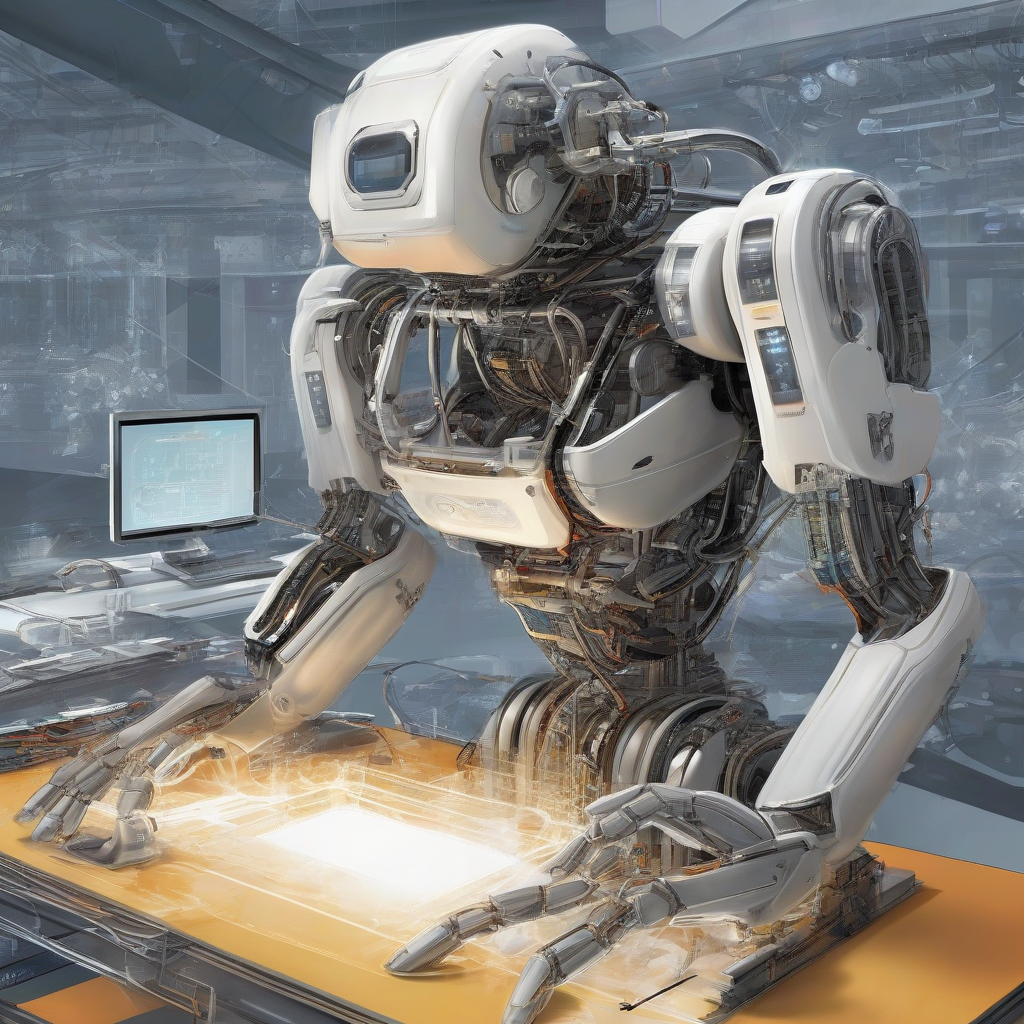
In the realm of robotics, innovation knows no bounds, and one of the latest advancements is Fourier’s Care-bot GR-3. This full-size interactive companion is pushing the envelope in the world of robotics, bringing the concept of "warm tech companionship" to life. Its design features a soft-touch outer shell, which not only offers a comforting tactile experience but also incorporates a multimodal emotional interaction system. This system allows the robot to engage with users on a more intimate and emotional level, offering insights into the future of human-robot interaction.
The Safety and Ethics of Tactile Robotics
While the soft-touch feature of the GR-3 is appealing, it raises questions about the safety and ethical implications of encouraging physical interaction with robots. Much like NASA's Valkyrie, which also emphasizes the importance of a soft interface, the GR-3’s design aims to minimize injury risk during interaction. However, as these robots become more integrated into daily life, developers must ensure that such interactions are safe and consensual, especially in environments involving vulnerable populations like children and the elderly.
Micro Air Vehicles: Innovation in Compact Design
Another exciting development in robotics is the 112-gram micro air vehicle (MAV) by AVFL. This device, with its foldable propeller arms, is a marvel of compact design. Comparable in size to a smartphone, the MAV can be launched simply by throwing it into the air, at which point it autonomously transitions to a hovering state. The MAV’s design demonstrates significant advancement in feedback control technology, capable of stabilizing the vehicle even with initial tumbling rates of up to 2,500 degrees per second.
Real-World Applications and Implications
The implications of such technology are vast. These MAVs could revolutionize fields such as surveillance, delivery, and search and rescue operations. Their compact size and ease of deployment make them ideal for situations where space and speed are critical. Furthermore, the development of such precision-controlled devices highlights the ongoing trend towards miniaturization and increased autonomy in robotics.
Space Robotics: Pioneering the Final Frontier
The U.S. Naval Research Laboratory (NRL), in collaboration with NASA, is making significant strides in space robotics. By integrating reinforcement-learning algorithms into Astrobee—a free-flying robotic assistant aboard the International Space Station—researchers are enabling these robots to learn and adapt autonomously. This capability enhances maneuverability and optimizes energy usage, crucial for prolonged missions in the challenging environment of space.
Enhancing Space Exploration
The application of artificial intelligence in space robotics not only supports current missions but also lays the groundwork for future exploration. As robots become more autonomous, they can perform complex tasks, thereby reducing the need for human intervention and increasing mission safety and efficiency. This technology is a stepping stone towards more ambitious projects, such as deep-space exploration and the establishment of lunar or Martian bases.
Building Trust with Cobots
Trust is a cornerstone of human-robot interaction, and Cobot’s Proxie exemplifies this principle. Designed with trust in mind, every component—from its wheels to its eyes—reflects an intent to create a safe and reliable companion. Brad Porter, CEO of Cobot, emphasizes the importance of trust in robotics, particularly in collaborative environments where robots and humans work side by side.
Implications for Industry
The development of trustworthy robots is essential as we move towards collaborative robotics (cobots) in industries such as manufacturing, healthcare, and logistics. These robots can perform repetitive or hazardous tasks, allowing human workers to focus on more complex and creative work. The ability to trust robots also reduces workplace stress and increases productivity, making cobots a valuable asset in modern industry.
Solving Supply Chain Challenges with Robotics
LAPP USA’s partnership with Corvus Robotics addresses the age-old supply chain challenge of labor-intensive and error-prone inventory counting. By deploying autonomous solutions, these companies are streamlining inventory processes, reducing human error, and improving efficiency.
Transforming Logistics
The integration of robotics into supply chain operations is transforming the logistics industry. Automated inventory management systems not only enhance accuracy but also free up human resources for more strategic tasks. As these systems become more sophisticated, they will likely lead to further innovations in supply chain management, driving down costs and increasing speed.
The Future of Robotics: Looking Ahead
As we look to the future, the trajectory of robotics is clear: increased autonomy, enhanced human-robot interaction, and widespread application across various industries. From soft robot companions to micro air vehicles and space robotics, the advancements we are witnessing today have the potential to reshape our world. The real challenge lies in addressing the ethical, safety, and trust issues that accompany these technologies.
Preparing for Tomorrow’s Challenges
As these technologies evolve, it is crucial for developers, policymakers, and society at large to prepare for the challenges and opportunities they present. This includes fostering a regulatory environment that supports innovation while ensuring safety and ethical standards are met. The future of robotics is not just about technological advancement but also about creating a world where humans and robots coexist harmoniously, enhancing quality of life and expanding the boundaries of what is possible.
In conclusion, the developments in robotics highlighted in this week’s Video Friday selection showcase the exciting potential of technology to improve and enrich our lives. As we continue to push the boundaries of innovation, we must remain vigilant in our commitment to safety, ethics, and trust. The future is bright, and with thoughtful stewardship, the possibilities are limitless.
Source: https://spectrum.ieee.org/video-friday-soft-robot-companion