Will Robotics Have a ChatGPT Moment?
The Robotics Revolution: A Journey of Incremental Progress
As we witness the rapid advancement of artificial intelligence (AI) in various domains, it's natural to wonder if robotics will experience a similar breakthrough moment, akin to the emergence of ChatGPT. The answer, however, is not a simple yes or no. Robotics is a complex field that requires a multidisciplinary approach, and its progress will be shaped by a series of incremental innovations rather than a single, magical moment.
The Current State of Robotics
Robotics has made significant strides in recent years, with applications ranging from manufacturing and logistics to healthcare and education. However, despite these advancements, robotics still faces numerous challenges, including:
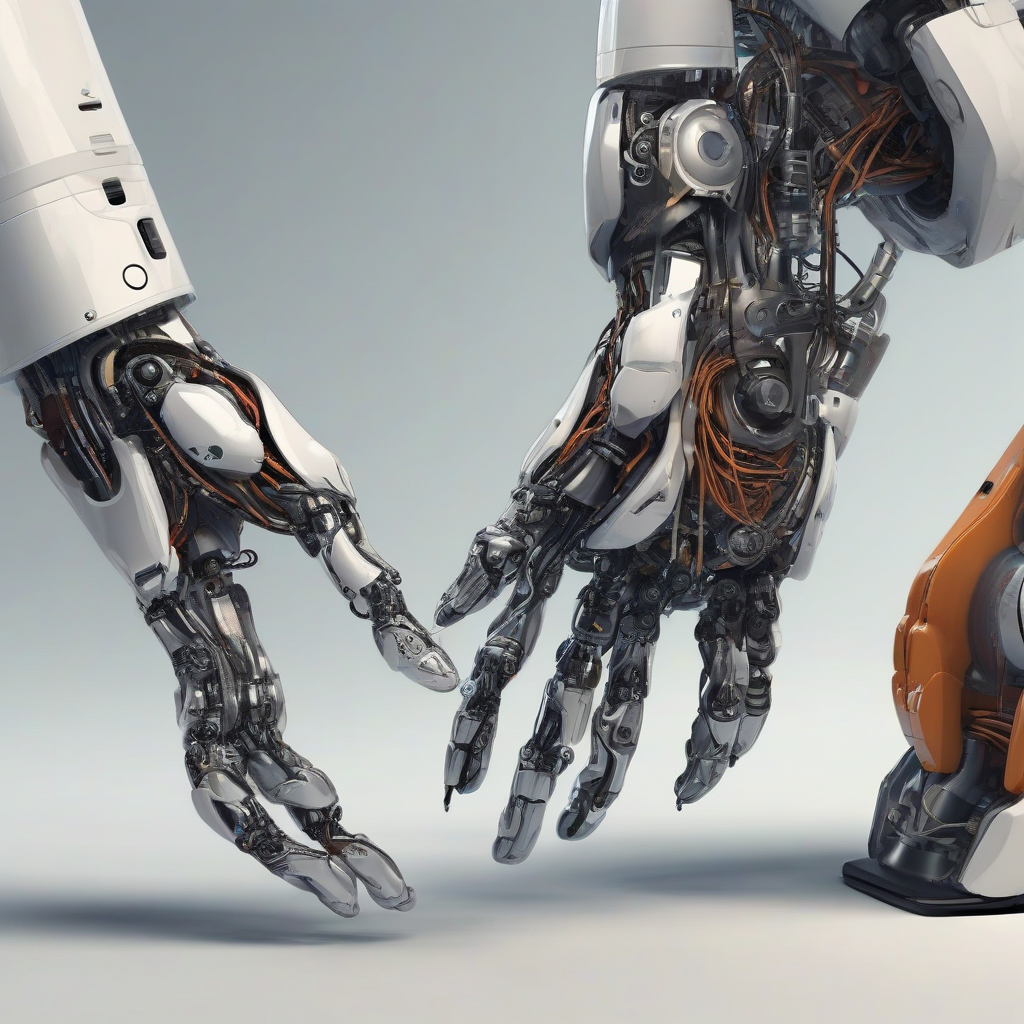
- Lack of dexterity: Current robots often struggle to perform tasks that require fine motor skills, such as assembly or surgery.
- Limited autonomy: Robots are often confined to predetermined paths and tasks, lacking the ability to adapt to changing environments or unexpected situations.
- Insufficient sensorimotor integration: Robots often rely on separate sensors and actuators, making it difficult to integrate sensory information with motor control.
The ChatGPT Moment: A Misconception?
The concept of a "ChatGPT moment" implies a sudden, revolutionary breakthrough that will transform the field of robotics. However, this notion is based on a misconception. ChatGPT's success was not a result of a single breakthrough, but rather the culmination of years of research and development in natural language processing (NLP) and machine learning.
Similarly, robotics will not experience a single, magical moment that will solve its challenges. Instead, it will be the result of a series of incremental innovations, each building upon the previous one. This will require a sustained effort from researchers, engineers, and industry leaders to address the complex problems facing robotics.
The Path Forward: Incremental Progress
So, what does the future hold for robotics? Here are a few areas where incremental progress is likely to occur:
- Advances in sensorimotor integration: Researchers are exploring new ways to integrate sensory information with motor control, enabling robots to better understand their environment and adapt to changing situations.
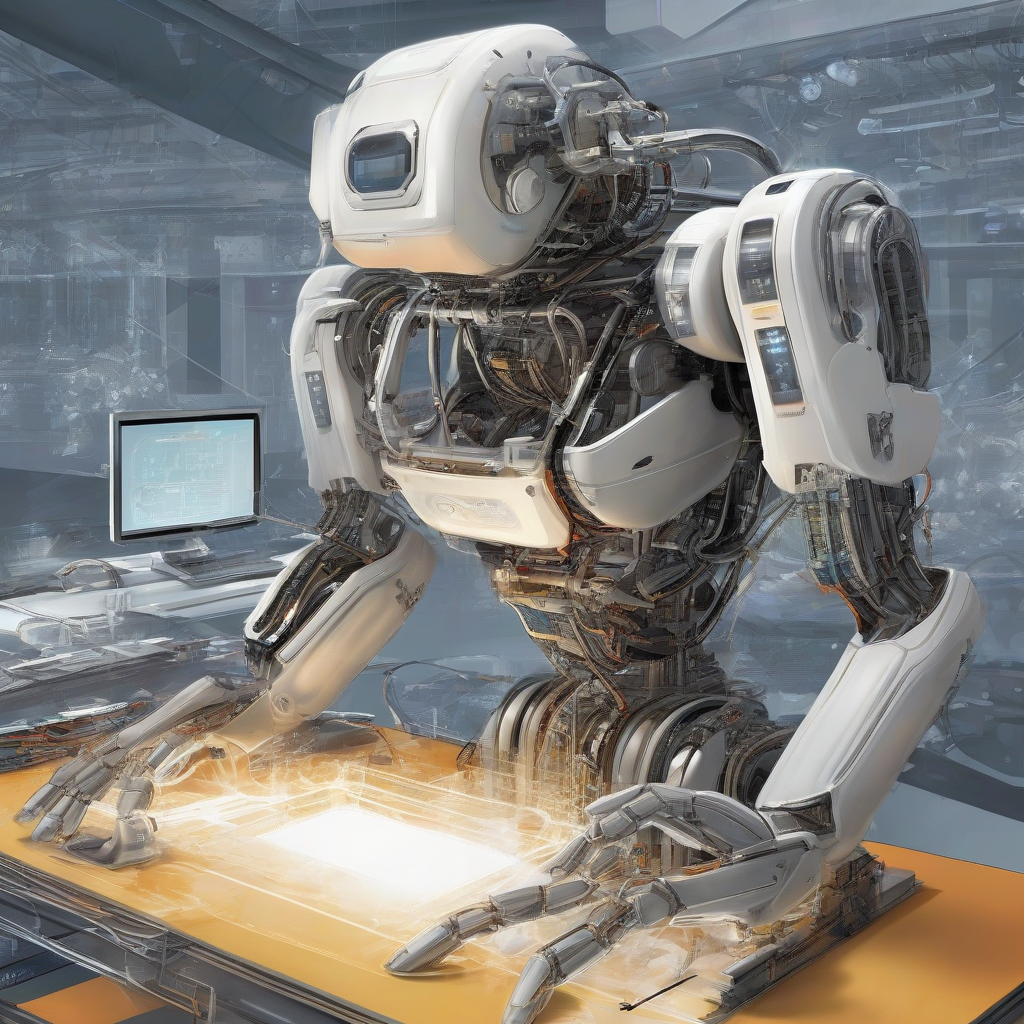
- Development of more dexterous robots: Scientists are working on creating robots with more advanced manipulator arms, allowing them to perform tasks that require fine motor skills.
- Increased autonomy: Researchers are developing more sophisticated algorithms that enable robots to navigate complex environments and adapt to unexpected situations.
Real-World Applications
While the progress in robotics may seem abstract, it has significant implications for various industries and aspects of our lives. For example:
- Manufacturing: More dexterous robots will enable faster and more efficient assembly lines, improving productivity and reducing costs.
- Healthcare: Robots with advanced sensorimotor integration will be able to assist surgeons during complex procedures, improving patient outcomes and reducing recovery times.
- Education: Robots will be able to adapt to individual learning styles, providing personalized education and improving student outcomes.
Conclusion
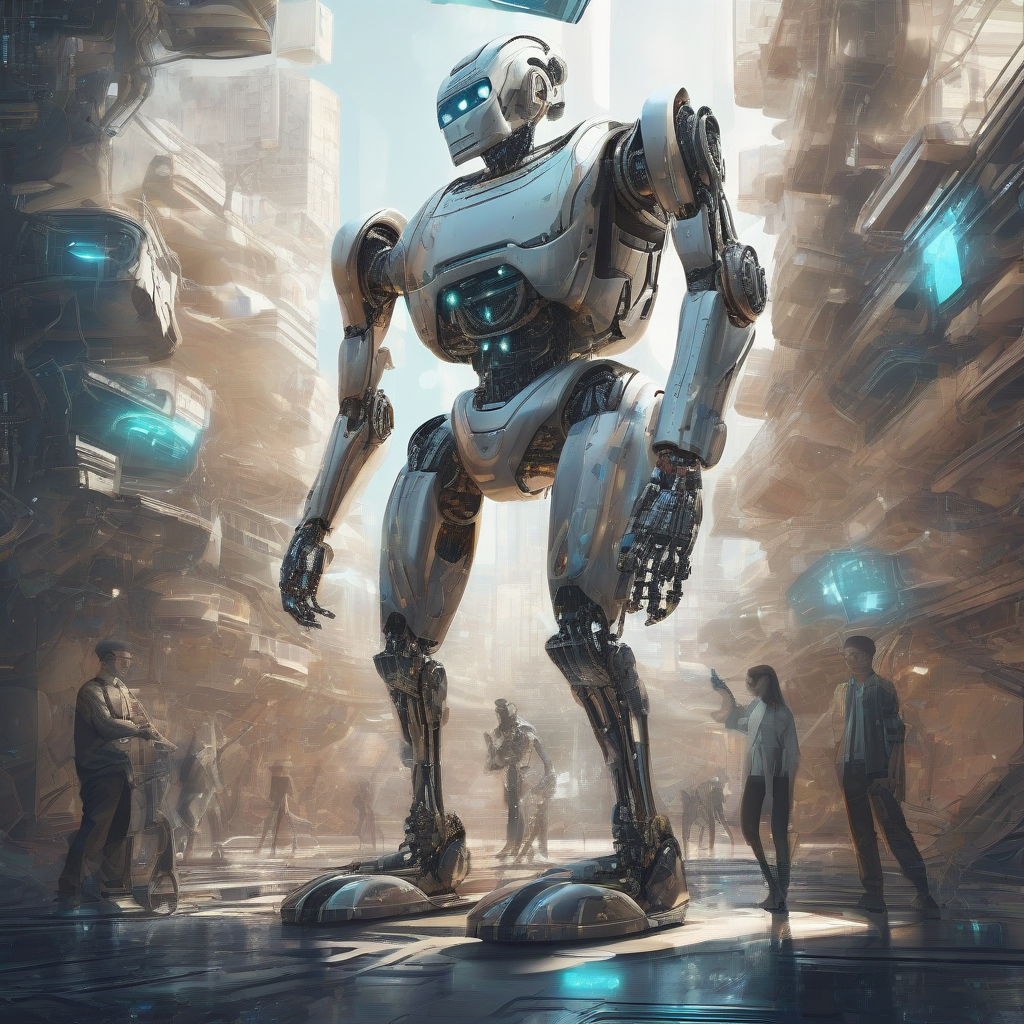
The future of robotics will not be marked by a single, magical moment, but rather by a series of incremental innovations. As researchers, engineers, and industry leaders continue to push the boundaries of what is possible, we can expect to see significant advancements in the field. These advancements will have far-reaching implications for various industries and aspects of our lives, transforming the way we live, work, and interact with the world around us.
As we look to the future, it's essential to recognize that the progress in robotics will be shaped by a multidisciplinary approach, requiring collaboration between experts from various fields. By working together, we can overcome the challenges facing robotics and unlock its full potential, creating a future where robots and humans work together to improve our lives and the world around us.